Oak Wilt Prevention in Minneapolis-St. Paul: Why Spring Pruning Can Kill Your Oaks
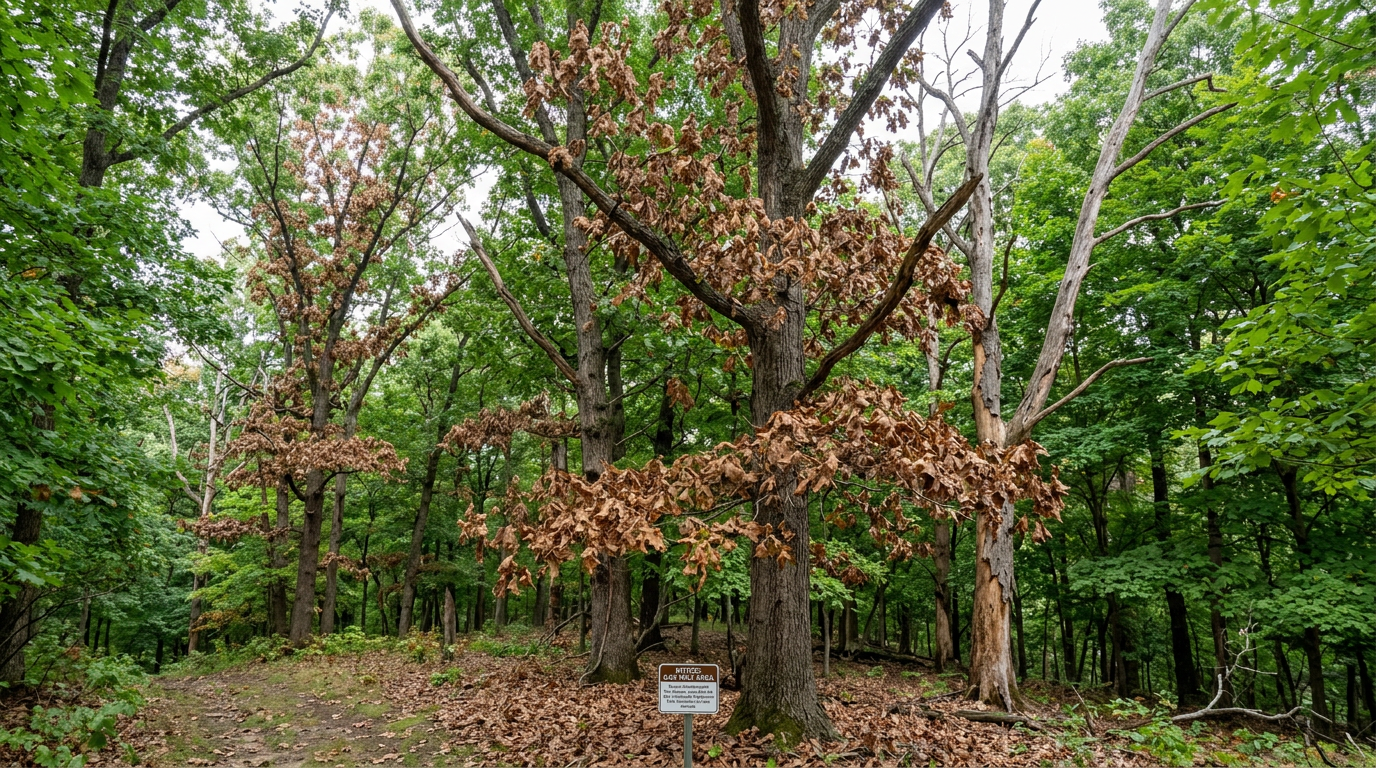
Oak wilt, caused by the fungus Ceratocystis fagacearum, has killed millions of oak trees across Minnesota since its discovery in the state in 1942. This vascular disease blocks water and nutrient transport within the tree, causing rapid decline and death, particularly in red oak species common throughout Minneapolis and St. Paul neighborhoods.
The fungus spreads through two primary pathways: root grafts between adjacent trees and insect transmission through fresh wounds. While root graft transmission occurs year-round, insect-vectored transmission peaks dramatically from April through July when nitidulid beetles are most active. These small sap beetles are attracted to fresh wounds on oak trees, where they pick up fungal spores and carry them to healthy trees.
Red oaks, including northern red oak and northern pin oak prevalent in Twin Cities landscapes, are extremely susceptible and typically die within one growing season of infection. White oaks show more resistance but can still succumb to the disease. The economic impact is staggering—a mature oak can represent significant landscape value, making prevention through proper pruning timing essential for property owners.
Why April Through July Creates Maximum Risk in Minneapolis-St. Paul
Minnesota’s climate creates a perfect storm for oak wilt transmission during late spring and summer months. As temperatures warm above 50°F consistently, nitidulid beetles emerge from overwintering sites and begin seeking food sources. Fresh pruning cuts on oak trees produce sap flow and aromatic compounds that attract these beetles from considerable distances.
The high-risk window in the Twin Cities typically runs from April 15 through July 15, though exact timing varies with spring weather patterns. During this period, even small pruning wounds can become infection courts. The beetles feed on fresh sap, picking up oak wilt spores if they’ve previously visited infected trees or fungal mats. When they move to healthy oaks, they deposit these deadly spores directly into the tree’s vascular system.
Minneapolis and St. Paul’s dense urban canopy creates additional risk factors. Trees growing in close proximity often develop root grafts, allowing the fungus to spread underground between connected trees. Once oak wilt establishes in a neighborhood, the combination of root graft spread and beetle transmission can devastate entire oak populations. Areas like Kenwood in Minneapolis and the Summit Hill neighborhood in St. Paul have experienced significant oak losses due to this dual transmission pathway.
The Mississippi River corridor running through both cities creates microclimates that can extend the risk period. Areas near the Chain of Lakes in Minneapolis or along the bluffs in St. Paul may see earlier beetle activity due to warmer temperatures and wind protection.
The Science Behind Dormant Season Pruning Protection
Dormant pruning during Minnesota’s winter months provides the safest window for oak tree maintenance. From November through March, when temperatures remain consistently below 50°F, nitidulid beetles are inactive and pose no transmission risk. During dormancy, oak trees also have minimal sap flow, reducing the attractive compounds that draw beetles to fresh wounds.
ANSI A300 pruning standards specifically address timing considerations for disease-susceptible species. Professional tree pruning during the dormant season allows wounds to begin compartmentalizing before the growing season starts. Oak trees have remarkable ability to seal wounds through compartmentalization—the process of walling off damaged tissue to prevent pathogen entry. When tree pruning occurs during dormancy, trees have maximum energy reserves to dedicate to this protective response.
Winter pruning also provides practical advantages for arborists and homeowners. Deciduous trees without leaves allow better visibility of branch structure, enabling more precise cuts and better assessment of tree health. Snow cover protects landscape plants from falling debris, and frozen ground prevents soil compaction from equipment. Minnesota’s harsh winters actually work in our favor for oak care, providing a clear window for safe maintenance.
Emergency Situations: When Pruning Can’t Wait
While dormant pruning is ideal, emergency situations sometimes require immediate attention during the high-risk period. Storm damage from severe thunderstorms, ice storms, or tornadoes—common occurrences in the Minneapolis-St. Paul area—may create hazardous conditions that outweigh disease transmission risks.
When emergency tree pruning becomes necessary on oaks during April through July, specific protocols must be followed. Fresh cuts should be immediately treated with wound dressing or latex paint to create a barrier against beetle entry. Tools must be sterilized between trees using alcohol or bleach solutions. All pruning debris should be removed from the property immediately and properly disposed of.
The debate over wound paint continues in arboriculture, with most situations not requiring treatment. However, oak wilt represents a special case where protective coatings may provide some benefit during the transmission season, despite general recommendations against wound dressings.
Recognizing When Your Minneapolis Oak Trees Need Professional Attention
Homeowners should watch for specific signs indicating their oak trees require professional tree pruning, while keeping seasonal timing restrictions in mind. Dead, dying, or broken branches pose safety hazards and can be removed year-round as emergency situations. However, routine maintenance pruning should wait for the dormant season.
Crown cleaning needs become apparent when you notice dead branches throughout the canopy, particularly after severe weather events common in the Twin Cities. Minneapolis experiences frequent ice storms and high winds that can damage oak branches. Hanging or partially broken limbs require immediate attention regardless of season.
Structural issues like co-dominant stems, crossing branches, or poor branch attachments are best addressed through dormant season pruning. Young oaks benefit significantly from early structural pruning to establish strong architecture, but this work must be timed appropriately. Mature oaks may need crown reduction or selective thinning to reduce wind resistance, particularly important given the severe storms that regularly impact Hennepin and Ramsey counties.
Look for signs of oak wilt infection in your trees: wilting leaves that turn brown from the margins inward, rapid leaf drop during the growing season, or fungal mats under the bark of recently dead trees. If you suspect oak wilt, contact a certified arborist immediately for diagnosis and treatment recommendations.
Protecting Your Investment Through Professional Care
Protecting your Minneapolis or St. Paul oak trees requires working with tree care professionals who understand both proper pruning techniques and disease prevention protocols. ISA Certified Arborists receive specific training on oak wilt biology, transmission pathways, and prevention strategies. They understand that tree pruning timing can mean the difference between maintaining healthy trees and inadvertently causing their death.
Qualified arborists follow strict protocols when emergency pruning becomes necessary during high-risk periods. This includes immediate application of wound dressings to fresh cuts, proper tool sterilization between trees, and careful disposal of pruning debris. Professional arborists also understand the importance of not creating unnecessary wounds during the transmission season.
At Total Tree Care, our ISA Certified Arborists serving Minneapolis, St. Paul, Richfield, Bloomington, Rosemount, Hastings, and Farmington prioritize oak wilt prevention in all our pruning recommendations. Owner Seth Mason and our certified team maintain detailed scheduling to ensure oak work occurs during safe windows, and we educate clients about the importance of proper timing.
Our team understands the unique challenges facing Twin Cities oak populations, from the emerald ash borer pressure affecting nearby ash trees to the freeze-thaw cycles that can create additional stress. We develop customized care plans that protect these valuable trees while maintaining the urban canopy that makes Minneapolis and St. Paul such beautiful cities.
Don’t risk your oak trees to improper pruning timing. The window for safe dormant pruning in Minnesota runs from November through March, making fall and winter the ideal time to schedule your oak tree maintenance. By planning ahead, you can ensure your trees receive necessary care without exposing them to oak wilt transmission risks.
Contact Total Tree Care today to schedule your dormant season pruning consultation. Our ISA Certified Arborists will assess your Minneapolis or St. Paul oaks’ needs and develop a safe, effective pruning plan that maintains tree health while preserving your landscape investment. We serve the entire Twin Cities metro area, bringing professional expertise and oak wilt prevention protocols to protect your valuable trees.
Visit us at totaltreecaremn.com or call (651) 318-4480 to discuss your oak tree care needs. Together, we can keep Minneapolis and St. Paul’s magnificent oak canopy healthy for generations to come.
