Signs Your Minneapolis Tree Is Dying: A Diagnostic Checklist
Tree stress manifests differently depending on the species, age, and environmental pressures. In Minneapolis, our mature canopy—dominated by green ash, American elm, and silver maple—faces a perfect storm of urban stressors. Compacted soils from development, road salt damage, construction impacts, and invasive pests create conditions where even healthy trees can rapidly decline.
A sick tree rarely dies overnight. Most tree mortality follows a predictable pattern of decline that can span several growing seasons. The key is recognizing these early warning signs before the tree becomes structurally compromised. Trees experiencing chronic stress will redirect energy from growth and defense to basic survival, making them increasingly vulnerable to secondary problems like wood-boring insects and decay fungi.
Understanding your tree species is crucial for accurate diagnosis. Our native bur oaks, for example, are incredibly drought-tolerant but sensitive to soil grade changes, while paper birch trees are naturally short-lived and prone to bronze birch borer in urban environments around Bloomington and Richfield.
Crown Dieback: The Most Telling Sign
Crown dieback represents one of the most reliable indicators that a dying tree is in serious decline. This condition appears as dead or dying branches starting from the top and outer edges of the canopy, progressively working inward and downward. In Minneapolis, we frequently observe this pattern in ash trees affected by emerald ash borer and in elms showing early stages of Dutch elm disease.
Healthy trees naturally shed some interior branches as they mature—this is called natural pruning. However, dieback affecting the crown’s periphery, where the newest growth should be most vigorous, signals systemic problems. The tree can no longer support its full canopy and begins sacrificing branches to conserve resources for core survival functions.
Tree inspection should focus on the percentage of crown affected. Trees with less than 25% dieback may recover with proper care, including targeted pruning, soil improvement, and stress reduction. However, when dieback exceeds 50% of the crown, the tree’s long-term survival becomes questionable, especially in our challenging Minneapolis climate.
Look for branches that fail to leaf out in spring, produce undersized or discolored foliage, or show premature fall color. Dead branches become brittle and may drop unexpectedly—a serious safety concern for properties near the University of Minnesota campus or around Lake Harriet where foot traffic is heavy.
Bark Abnormalities and Structural Changes
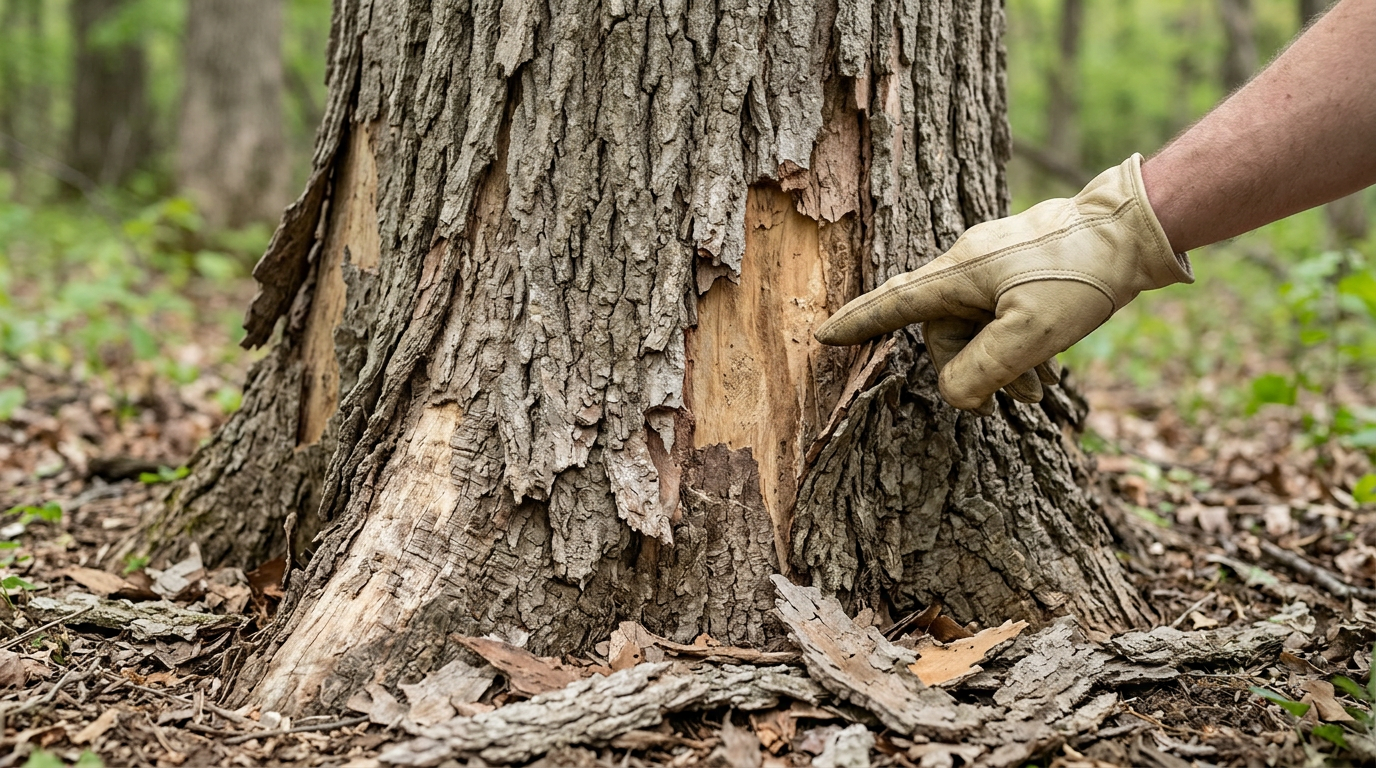
The bark serves as a tree’s protective armor, and changes in bark condition often reveal serious underlying problems. Tree losing bark can indicate several conditions, from normal aging to fatal diseases. In Minneapolis, we commonly see bark abnormalities related to freeze-thaw damage, mechanical injury from lawn equipment, and pest infestations.
Vertical cracks in bark, especially on the south and southwest sides of trees, often result from our extreme temperature fluctuations. These “frost cracks” can heal if the tree is otherwise healthy, but they also create entry points for decay organisms. More concerning are areas where bark is missing entirely, exposing the underlying wood to the elements.
Cankers—sunken, discolored areas of dead bark—frequently appear on stressed trees. These lesions can girdle branches or even the main trunk, cutting off the flow of nutrients and water. On elm trees throughout Minneapolis, cankers may indicate Dutch elm disease, while on oak trees, they could signal oak wilt—both diseases that require immediate professional attention.
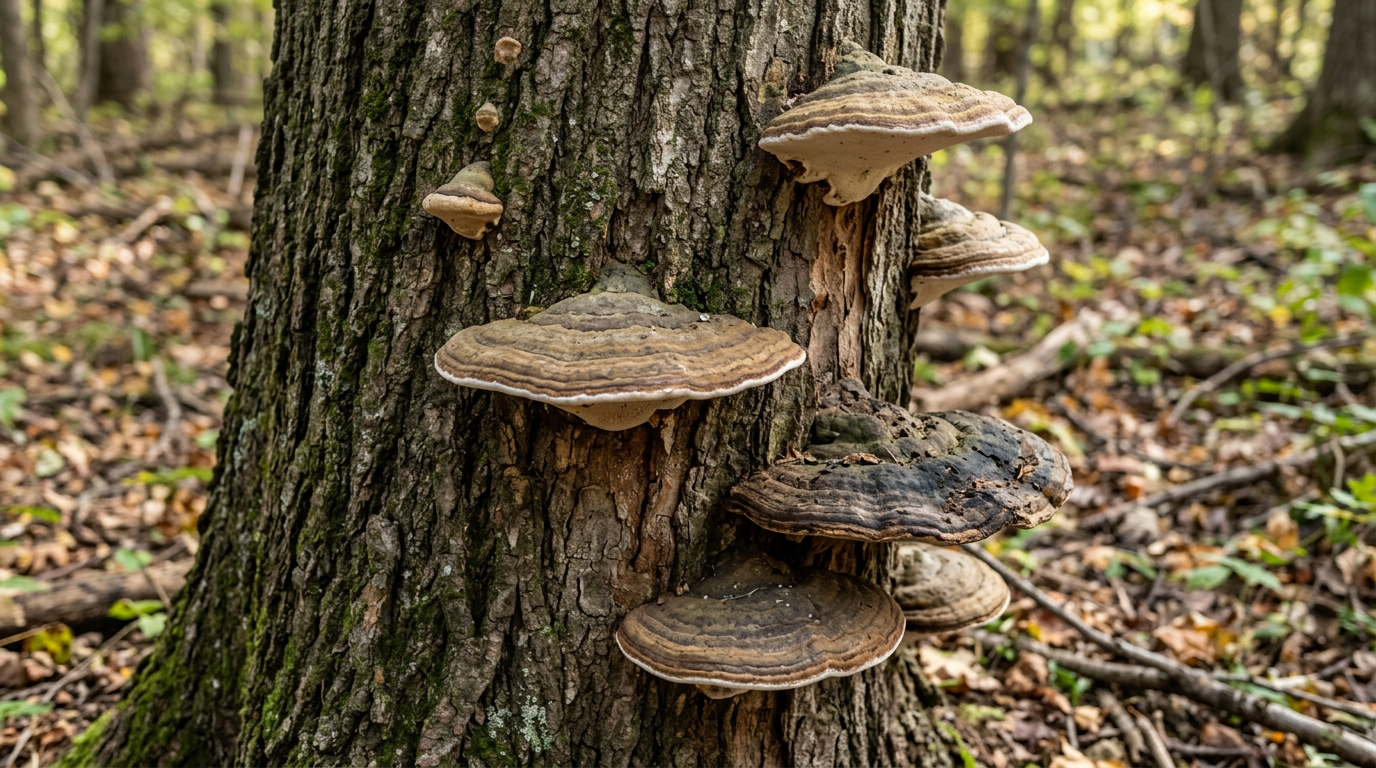
Fungal fruiting bodies growing from the bark or at the base of the tree represent advanced decay. These mushroom-like structures indicate that wood-rotting fungi have colonized the tree’s internal structure, potentially compromising its structural integrity. Common fungi in Minneapolis include honey mushrooms on stressed hardwoods and bracket fungi on declining conifers.
Unusual bark texture changes, such as roughening, peeling, or color shifts, may indicate pest activity. Emerald ash borer creates distinctive D-shaped exit holes and serpentine galleries under the bark, while bronze birch borer causes similar damage in birch trees common throughout Richfield and Bloomington neighborhoods.
Foliage Problems and Leaf Abnormalities
Tree leaves turning brown outside of normal fall coloration patterns signals significant stress or disease. In Minneapolis, premature browning often results from drought stress, root damage, or vascular diseases that prevent proper water transport. The timing, pattern, and extent of leaf discoloration provide crucial diagnostic clues.
Scorch symptoms—brown leaf margins with green centers—typically indicate water stress, either from drought, root damage, or vascular blockages. This condition is particularly common in newly planted trees that haven’t established adequate root systems to cope with our hot, dry summers. However, similar symptoms can result from road salt damage, especially on boulevard trees along busy Minneapolis streets.
Leaf abnormalities include unusual size, shape, color, or timing of emergence. Small, pale leaves may indicate nutrient deficiencies or root problems, while delayed leaf emergence in spring suggests the tree is struggling to mobilize energy reserves. Premature fall color, especially when it occurs in mid-summer, often signals serious decline.
Defoliation patterns provide additional diagnostic information. Trees losing leaves from the top down typically suffer from root problems or vascular diseases, while leaf loss starting from the bottom usually indicates normal aging or minor stress. Complete defoliation during the growing season, except in response to severe drought or pest outbreaks, suggests the tree may not survive.
Insect damage creates distinctive leaf symptoms. Japanese beetles skeletonize leaves, leaving only the veins, while aphids cause yellowing and stunting. Scale insects create yellowing and premature leaf drop, particularly problematic on honey locusts popular in Minneapolis landscaping.
Root System Warning Signs
Root problems often remain hidden until tree decline becomes severe, making tree health inspection challenging for homeowners. However, several above-ground symptoms indicate root system compromise. In Minneapolis, where construction activities and soil compaction are common, root damage represents a leading cause of tree mortality.
Soil heaving or cracking around the tree base may indicate root movement or decay. More obvious signs include exposed roots showing decay, mushrooms growing from root flares, or changes in soil grade that bury or expose critical root zones. The critical root zone extends well beyond the drip line—typically 1.5 times the tree’s height in all directions.
Tree stress from root damage manifests as reduced growth, smaller leaves, premature fall color, and increased susceptibility to pests and diseases. Trees with compromised root systems cannot adequately support their canopy, leading to the crown dieback discussed earlier. In severe cases, structurally important roots may fail, causing the entire tree to lean or fall.
Construction damage represents a particular concern in Minneapolis’s developing neighborhoods. Even minor soil compaction from heavy equipment can severely damage feeder roots, while grade changes of just a few inches can kill established trees. Trenching for utilities, driveways, or landscaping features can sever major structural roots, creating hazardous conditions that may not become apparent for several years.
Emergency Warning Signs Requiring Immediate Action
Some symptoms indicate a dying tree has become an immediate safety hazard requiring urgent professional attention. These emergency warning signs include:
Sudden lean or structural failure- Any tree that develops a noticeable lean, especially after storms common in the Minneapolis area, requires immediate evaluation. Root failure or trunk damage can lead to complete tree failure without warning.
Large dead branches over targets- Dead limbs over homes, driveways, or walkways pose serious risks. Our harsh winters and ice storms can cause these branches to fall unexpectedly, potentially causing property damage or injury.
Extensive fungal growth- Large bracket fungi or mushrooms growing from the trunk indicate advanced internal decay. These trees may appear healthy from a distance but could fail catastrophically during storms.
Multiple pest infestations- Trees showing signs of both emerald ash borer and secondary pest attacks are typically beyond saving and may decline rapidly.
When Professional Tree Assessment Becomes Essential
While homeowners can identify many warning signs of tree decline, professional tree inspection provides the expertise needed for accurate diagnosis and safety evaluation. At Total Tree Care, our ISA Certified Arborists use specialized diagnostic tools and techniques to evaluate tree condition accurately throughout Minneapolis, St. Paul, Farmington, and Hastings.
Tree health assessment should be performed annually for mature trees, especially those showing any decline symptoms. Our certified arborists can distinguish between treatable conditions and terminal decline, potentially saving homeowners thousands in unnecessary removal costs. We also identify hazardous conditions that require immediate attention to protect property and ensure family safety.
Emergency evaluation becomes critical after severe weather events common in Minneapolis—ice storms, straight-line winds, and heavy snow loads can cause hidden damage that compromises tree structure. What appears to be minor storm damage may actually indicate serious structural problems requiring professional evaluation.
Our comprehensive diagnostic services include soil testing, pest identification, disease diagnosis, and structural assessment using the latest arboricultural techniques. We provide detailed written reports with specific recommendations for treatment or removal, helping homeowners make informed decisions about their valuable tree assets.
Early detection of tree decline can mean the difference between successful treatment and costly removal. By regularly monitoring your trees for these warning signs and scheduling professional inspections when concerns arise, you can maintain a healthy, safe urban forest on your property.
Remember that tree health problems often develop gradually, and what appears to be a minor issue may indicate serious underlying conditions. The unique challenges facing Minneapolis trees—from emerald ash borer to harsh winter conditions—require expert knowledge to diagnose and treat effectively.
Don’t wait until a dying tree becomes a safety hazard. Contact Total Tree Care today for professional tree inspection and assessment services throughout Minneapolis, St. Paul, Richfield, Bloomington, Rosemount, and surrounding communities. Our ISA Certified Arborists have the expertise to diagnose tree problems accurately and recommend the most appropriate course of action for your specific situation.
Call Total Tree Care (𝟲𝟱𝟭) 𝟯𝟯𝟭-𝟭𝟬𝟰𝟮 at your earliest convenience to schedule your comprehensive tree health assessment and protect your property investment.
