Tree Removal in Minneapolis: What Homeowners Need to Know
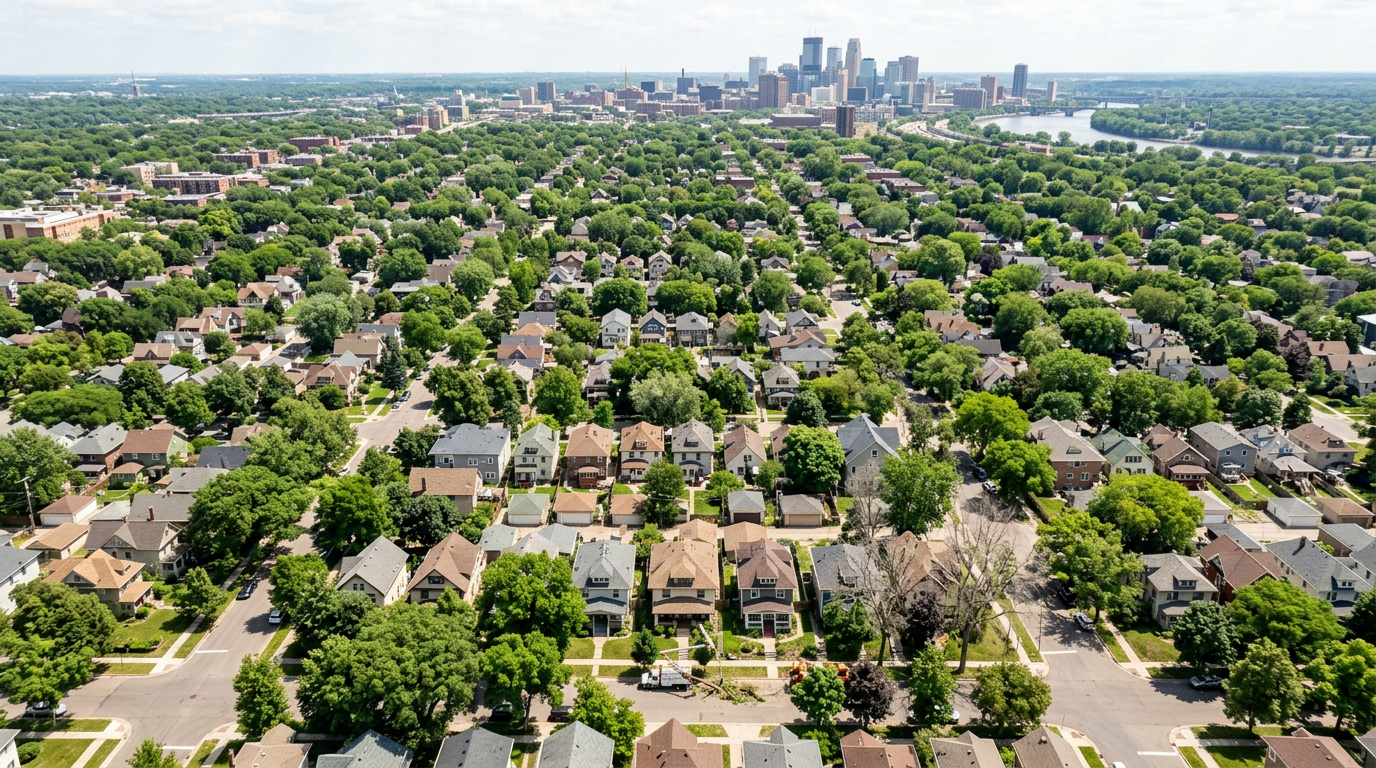
Tree removal represents the last resort in professional arboriculture, reserved for situations where preservation isn’t feasible or safe. In Minneapolis, several factors commonly necessitate tree removal, often related to our harsh continental climate and urban pest pressures.
Disease and pest damage frequently drives removal decisions in our region. Emerald ash borer has killed thousands of ash trees throughout Hennepin County, creating hazardous conditions that require prompt tree removal. Dutch elm disease continues affecting American elms, particularly in mature neighborhoods around Lake Harriet and Lake of the Isles areas. When these diseases progress beyond treatment thresholds established by ISA Best Management Practices, tree removal becomes the responsible choice to protect surrounding trees and public safety.
Structural failure risks increase significantly after Minneapolis’s severe weather events. Our freeze-thaw cycles weaken tree structure over time, while ice storms and summer derechos can cause extensive damage. Trees with major trunk decay, significant lean toward structures, or extensive crown loss often require removal rather than attempting costly treatments with uncertain outcomes.
Construction conflicts also necessitate tree removal in our growing metro area. When trees interfere with essential infrastructure improvements or pose unavoidable conflicts with building projects, removal may be the only viable option. However, Minneapolis’s tree preservation ordinance requires careful evaluation of alternatives before approving removal permits.
At Total Tree Care, we evaluate each situation using ANSI A300 standards and ISA risk assessment protocols, ensuring tree removal recommendations are based on sound arboricultural science rather than convenience or cost considerations.
Minneapolis Tree Removal Permit Requirements
Minneapolis maintains strict tree removal regulations designed to protect our urban canopy, particularly for boulevard trees and significant private trees. Understanding these requirements prevents costly delays and potential violations that could impact your property.
Boulevard tree removal requires permits from Minneapolis Park and Recreation Board in all cases. These publicly-owned trees along streets throughout neighborhoods from Dinkytown to Linden Hills cannot be removed without official approval, even when they appear to be on private property. The permit process includes inspection by city foresters who evaluate tree condition, explore treatment alternatives, and determine appropriate replacement requirements.
Private tree removal permits are required for trees exceeding specific size thresholds or located in heritage preservation districts. Trees with trunk diameters greater than 30 inches typically require permits, though requirements vary by neighborhood and zoning classification. Properties in historic districts like Lowry Hill or areas near the Mississippi River may have additional restrictions protecting mature canopy.
Emergency removal situations receive expedited permit processing when trees pose immediate safety hazards. Storm-damaged trees threatening structures or blocking essential access can often be removed with after-the-fact permit applications, though documentation of the emergency condition is required.
The permit application process typically takes 2-4 weeks for routine requests, though complex cases involving heritage trees or environmental review may require additional time. Total Tree Care assists clients through this process, providing necessary documentation and working with city staff to ensure compliance with all local requirements.
The Professional Tree Removal Process
Professional tree removal in Minneapolis requires specialized equipment, technical expertise, and careful planning to protect surrounding property and ensure worker safety. Understanding this process helps homeowners recognize quality service and set appropriate expectations.
Site assessment and planning begins every tree removal project. ISA Certified Arborists evaluate tree condition, identify potential hazards, and develop removal strategies appropriate for the specific site conditions. In Minneapolis’s dense urban environment, this planning phase considers overhead utilities, nearby structures, and access limitations common in established neighborhoods around the University of Minnesota area or near downtown.
Safety preparation follows ANSI Z133 safety standards, including establishing work zones, identifying escape routes, and implementing proper personal protective equipment protocols. Professional crews use specialized rigging techniques to control falling wood, preventing damage to landscaping, structures, and adjacent trees that characterize Minneapolis’s mature neighborhoods.
Systematic dismantling typically proceeds from top to bottom for large trees, using climbing techniques or aerial lifts depending on site access. Each cut is carefully planned and executed to maintain control throughout the process. In tight spaces common to Minneapolis properties, advanced rigging systems allow precise placement of removed sections.
Cleanup and disposal includes chipping brush, cutting logs to manageable lengths, and removing all debris from the property. Many Minneapolis homeowners choose to retain firewood from removed trees, while brush and smaller material gets processed through commercial chipping operations or municipal composting programs.
Total Tree Care’s experienced crews complete most residential tree removal projects within one day, though large or complex trees may require additional time to ensure safe, thorough completion.
Understanding Tree Removal Cost Factors in Minneapolis
Tree removal pricing varies significantly based on multiple factors specific to Minneapolis conditions and individual tree characteristics. Understanding these cost drivers helps homeowners budget appropriately and evaluate service proposals effectively.
Tree size represents the primary cost factor, with diameter and height directly impacting removal complexity and time requirements. Small ornamental trees under 30 feet require less time and equipment than mature oaks or maples reaching 80+ feet common throughout Minneapolis neighborhoods. Large trees require specialized equipment, additional crew members, and more complex rigging systems that increase overall project investment.
Site accessibility significantly affects pricing in Minneapolis’s urban environment. Trees with clear access for equipment cost less to remove than those requiring hand-carrying equipment through narrow spaces or working around extensive landscaping. Properties in established neighborhoods like Kenwood or Loring Park often present access challenges that impact removal costs.
Additional services influence total project pricing. Stump grinding, typically priced separately, adds to overall costs but provides complete site restoration. Permit acquisition, when required, involves additional fees and processing time. Emergency tree removal services command premium pricing due to immediate response requirements and potential after-hours work.
Disposal and cleanup costs vary based on wood volume and local disposal options. Minneapolis homeowners may choose to retain firewood, reducing disposal costs, while complete cleanup and debris removal increases service pricing.
Rather than providing specific amounts that quickly become outdated, Total Tree Care offers free estimates that consider all relevant factors affecting your specific tree removal project. This approach ensures accurate pricing based on current conditions and requirements.
Choosing the Right Tree Service Professional
Selecting qualified tree removal professionals protects your property investment and ensures work meets safety and quality standards. In Minneapolis’s competitive tree service market, several key factors distinguish professional companies from less qualified operators.
ISA Certification demonstrates technical competency through rigorous testing of arboricultural knowledge and ongoing continuing education requirements. ISA Certified Arborists understand tree biology, proper removal techniques, and safety protocols essential for complex urban tree removal. Total Tree Care maintains ISA certification for our key personnel, ensuring current knowledge of industry best practices and emerging techniques.
Proper licensing and insurance protection provides essential safeguards for homeowners. Minnesota requires tree service companies to carry appropriate liability insurance and workers’ compensation coverage. Verify these protections before allowing any work to begin, as inadequate coverage could leave homeowners liable for accidents or property damage.
Local experience with Minneapolis conditions proves valuable when dealing with our unique urban forest challenges. Companies familiar with city permit processes, common local tree species, and typical site constraints provide smoother project execution and better outcomes. Our years of experience throughout the Minneapolis metro area help us anticipate and address potential complications before they impact project timelines or costs.
Equipment and safety standards separate professional operations from casual tree services. Proper climbing gear, rigging equipment, and safety protocols following ANSI Z133 standards ensure worker safety and property protection. Professional companies invest in quality equipment and ongoing safety training that reflects their commitment to excellence.
References and reputation within the Minneapolis community provide insight into service quality and customer satisfaction. Established companies with strong local reputations demonstrate consistent performance and customer service over time.
Post-Removal Considerations and Tree Replacement
After tree removal, Minneapolis homeowners should consider several important factors to restore their landscape and comply with local requirements.
Stump grinding eliminates tripping hazards and allows for replanting or lawn restoration. Minneapolis’s clay soils and freeze-thaw cycles can cause untreated stumps to heave and settle, creating ongoing maintenance issues. Professional stump grinding provides clean site preparation for future landscaping projects.
Replacement planning becomes especially important given Minneapolis’s urban forest challenges. Selecting disease-resistant species appropriate for our climate zone helps ensure long-term success. Consider native species like red oak, sugar maple, or basswood that thrive in our continental climate and support local wildlife.
Soil restoration may be necessary after large tree removal, particularly in compacted urban soils common throughout Minneapolis. Adding organic matter and addressing drainage issues creates better growing conditions for replacement trees or alternative landscaping.
Total Tree Care provides comprehensive post-removal services, including stump grinding and replacement tree recommendations suited to Minneapolis growing conditions and your specific property needs.
Tree removal in Minneapolis requires careful consideration of city regulations, professional expertise, and site-specific challenges unique to our urban forest environment. From navigating permit requirements to understanding cost factors and selecting qualified professionals, informed homeowners make better decisions that protect their property investments and contribute to our community’s urban canopy health.
The emerald ash borer epidemic and ongoing Dutch elm disease pressure will continue driving tree removal needs throughout Minneapolis neighborhoods. However, working with ISA Certified Arborists ensures these necessary removals are conducted safely, legally, and with appropriate consideration for surrounding trees and property.
Total Tree Care’s experienced team understands Minneapolis’s unique tree care challenges and regulatory environment. Our ISA Certified Arborists provide comprehensive tree removal services throughout Minneapolis, St. Paul, Richfield, Bloomington, Rosemount, Farmington, Hastings, and surrounding metro communities.
Ready to discuss your tree removal project? Contact Total Tree Care today for a free estimate and professional assessment of your tree removal needs. Visit totaltreecaremn.com or call us (651) 318-4480 to schedule your consultation with our ISA Certified Arborists serving the Minneapolis metro area.
